12. Photography and Gen-AI: a creative dichotomy.
Buona Domenica amici! Did you have a nice weekend?
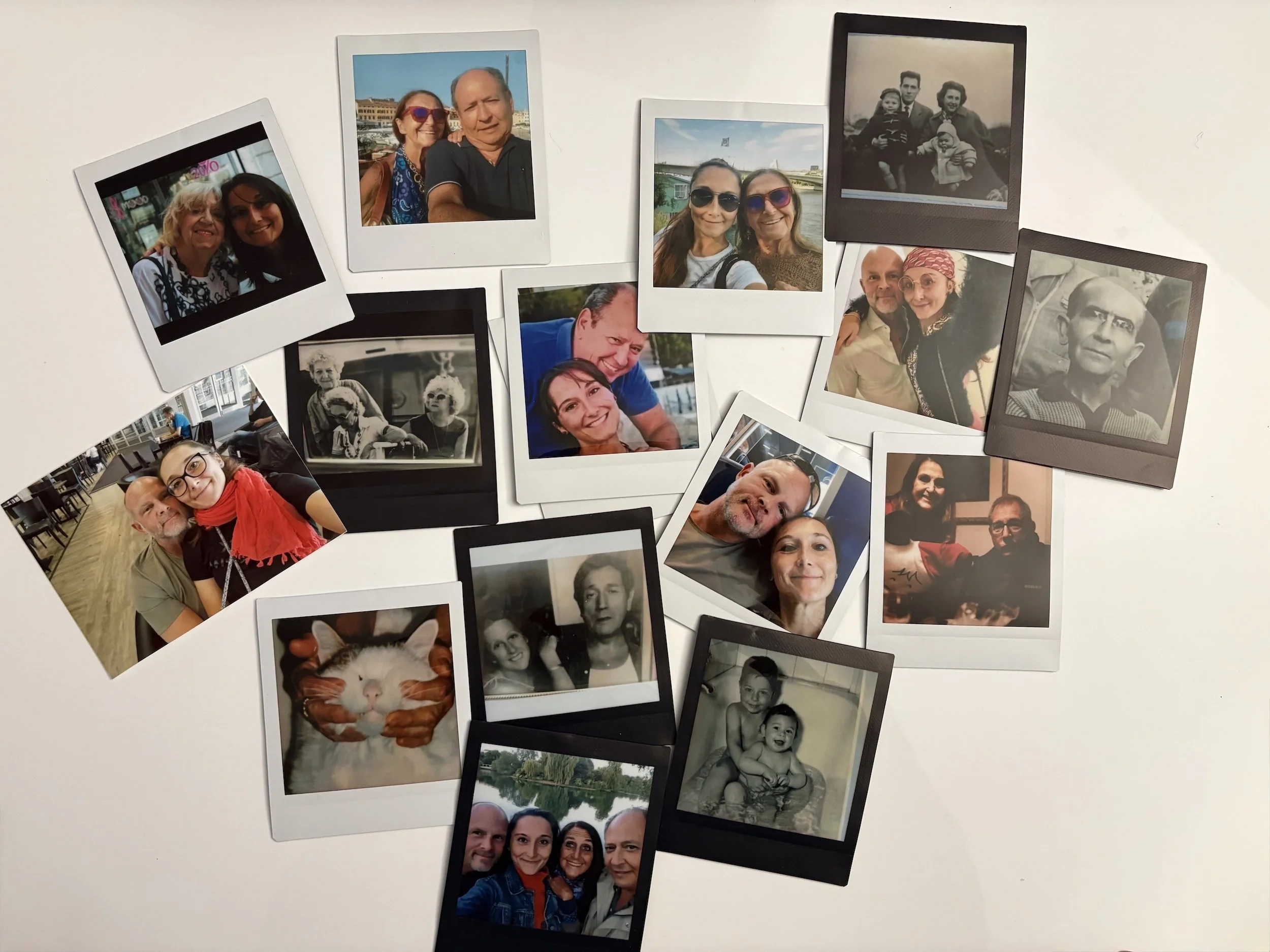
I am publishing my blog a bit later than usual today: I have been busy editing photos of puppy dogs for a dear friend, and I spent the rest of the day decorating my mini-Xmas tree with polaroids of memorable family moments. Now it’s late afternoon, and I decided to at least put my nose out of my apartment and have a coffee at my usual café’.
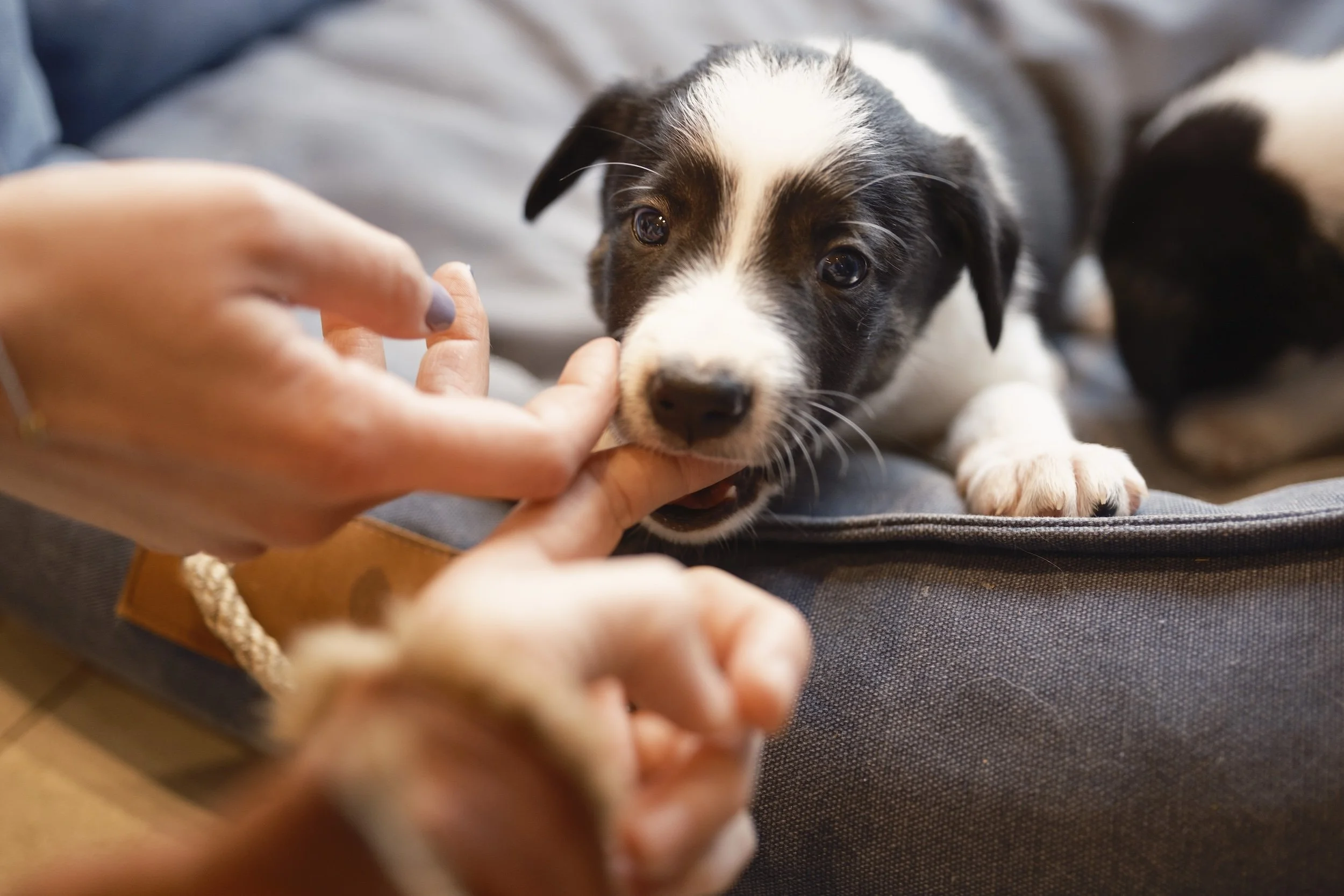
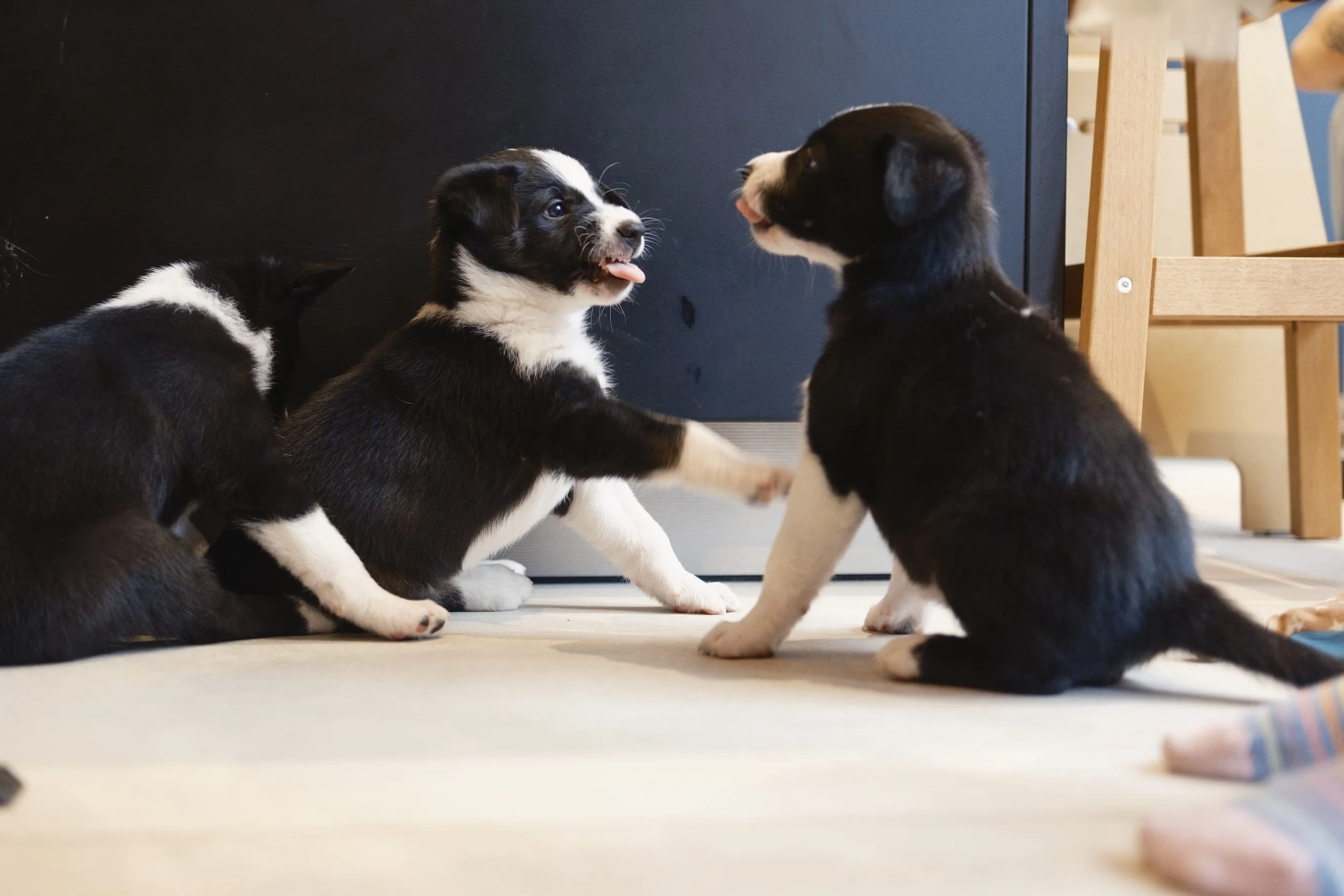
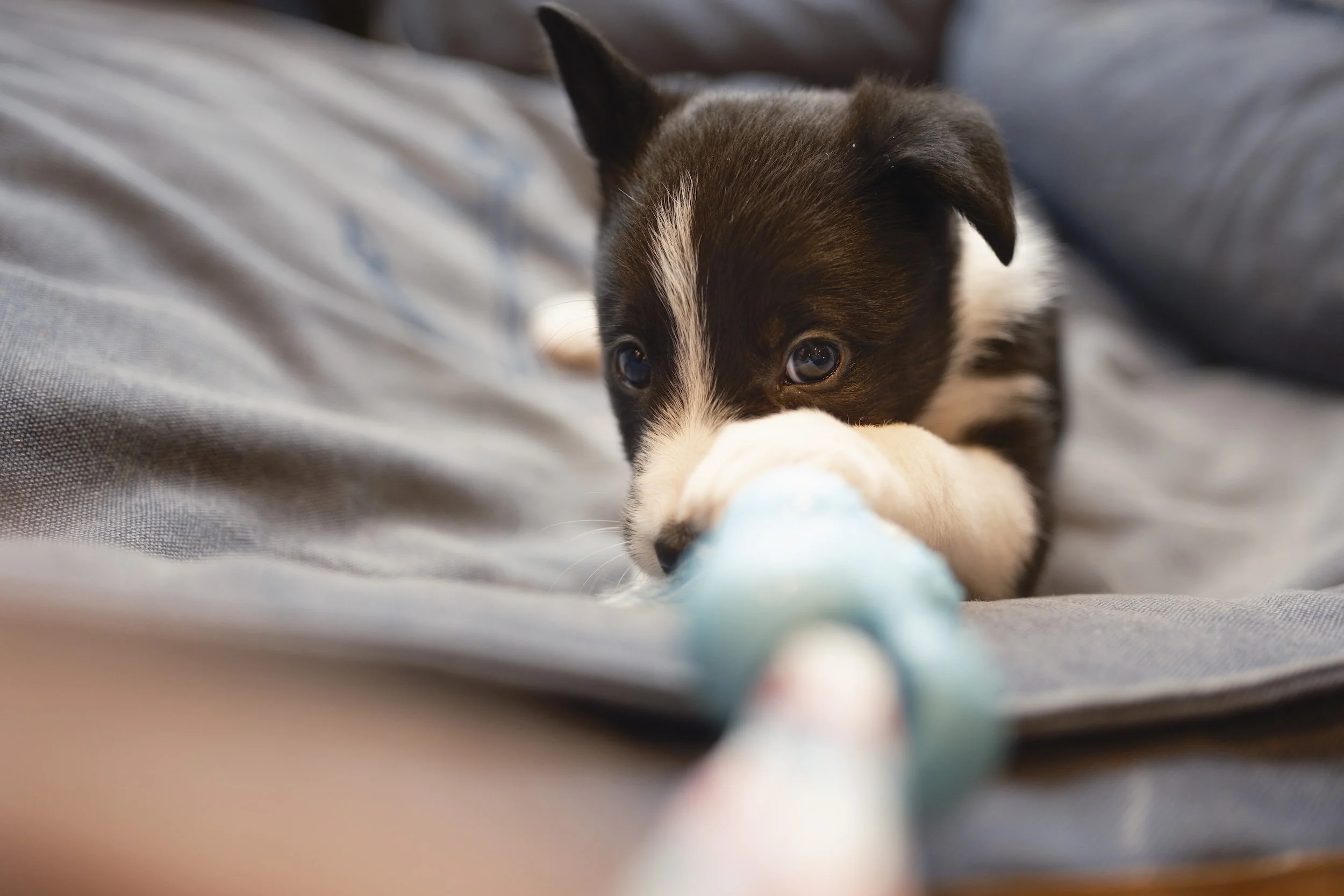
Fujifilm X-T5 + XF 23 mm f/1.4 LM WR
Why not having also a quick photography chat with you? I would be really curious to know your point of view about one of the hottest topics now: is generative AI killing photography?
You know, among all the discussions and complaints I read on Thread, Instagram, and YouTube, the one that seems to really ignite the souls of creators is generative AI. When I decide to take a few moments to enjoy beautiful images or watch insightful videos, I find myself navigating among desperate “photography is dead”, angry “this is a horrible AI-generated image, I unfollow”, narrow minded “photography is the only valuable form of visual creation”, and arrogant “move on, this is the AI era: room for technology!”.
More than a platform to share images, it feels like a battlefield.
I am a “millennial”, belonging to that generation in between the past and the future. I grew up before the rise of social media, and when I was a kid, my mom showed me how to insert the photographic film in her Asahi Pentax.
A few years later, digital cameras started to become popular, raising a big concern, worry and even hate towards the technology that “will destroy photography forever”. I have been there, and now I am having a déjà vu.
“History doesn’t repeat itself but often rhymes”, Mark Twain said ….
Where do I stand? The title of this post gives you a hint.
I think that photography and generative AI are completely different worlds, that shouldn’t compete against each other but coexist: one is based on authenticity, the other on virtual reality.
It is an intrinsic feature of human nature to push limits, discover new ways to accelerate processes (including creative processes), find shortcuts and evolve… and then when we see that the “unknown” takes over we fight against it.
Let’s be honest, we will never get rid of AI: we wanted it, we created it and now we have it.
You might say “AI is so good now that AI-generated images can easily replace photos”.
Are you sure? Let’s make some examples. Would you ask AI to create the memories of your wedding, your first photo with your puppy dog, your last photo with your grandmother, your first photo with your partner, your favorite travel memories, the portrait of your newborn baby and so on?
I could continue the list forever, but you got my point. There is one thing that generative AI will never be able to give, and that thing is AUTHENTICITY, both in the creative experience and in the result.
Being there with your camera and take that photo, gives a real experience, real connections, real creative process, real feelings. I hear it all the time “photography has the superpower of freezing moments”. That’s true. I look at the photo of me and my grandmother, and I hear her voice in my head, I look at the photo I took in Vietnam last year with my boyfriend and I feel again the adrenaline of adventure, I look at the photo of the parmigiana di melanzane that my parents always bring me when they come visit me in Switzerland, and I can almost feel the perfume of it…
So, photography is the real thing, let’ s get rid of all AI creators?
Honestly, I think there is space for them too, and for all who enjoy immersing themselves in a virtual world.
Some people prefer escaping from reality and create a parallel one, or maybe they cannot use a camera, they are better with computers and prompts. Their creations do not take anything away from photography, we can coexist, learn from each other. I follow a couple of AI creators on Instagram: their images are aesthetically very pleasing, and looking at them I get ideas on what I would like to implement in my photos, which colors they used and I loved and which I will never use because they did not move my interest. This is “virtual reality”, they like it that way, they created it, let them have it. They don’t force me to stop using my camera, I don’t force them to get out and look at the real world.
I know where is the problem, though: when AI creators do not disclose that their images are AI-generated and want to make everyone believe that they are photos. This “lie” generates a feeling of disappointment and anger in all photographers. Sometimes I wonder though, if this disappointment is directly proportional to the amount of likes and follows that AI-creators manage to accumulate on social media or is moved by a deep ethical consideration. When I give myself an answer, I feel sad.
I wish photographers were more confident and prouder of their creations, and happy of the feelings and emotions that only who had a camera in their hands could experience. I also wish AI-creators could find their own identity in their virtual world, without trying to blend with the photography one in the attempt to be seen and accepted.
Why comparing two worlds and creative experiences that are completely different? (“e’ come comparare pere con banane!” I mean, it is like comparing pears with bananas!).
I leave you with a quote of Edward Enninful: “I can tell you, without diversity, creativity remains stagnant”.
Have a creative week, and talk photography soon again!
Very